Fitch Ratings has affirmed Egypt’s Long-Term Foreign-Currency Issuer Default Rating (IDR) at ‘B’ with a Stable Outlook.
The rating agency attributed its affirmation to the country’s steady macroeconomic recovery, robust foreign reserves, and continued international support, balanced against persistent fiscal and external challenges.
According to Fitch’s review, Egypt’s relatively large economy, high potential gross domestic product (GDP) growth, and strong backing from bilateral and multilateral partners remain key rating strengths. However, these positives are offset by weak public finances, high debt servicing costs, elevated inflation, and geopolitical risks.
Economic and Fiscal Outlook
Fitch highlighted Egypt’s progress in stabilizing external finances, noting that gross international reserves rose by $2.1 billion in the first nine months of 2025 to reach $47 billion. The current account deficit is projected to narrow to 2.8% of GDP by FY2027, supported by a surge in remittances, resilient tourism, and new Gulf Cooperation Council (GCC) investments.
The agency expects real GDP growth to rise to 4.7% in FY2026 and 4.9% in FY2027, driven by recovering private investment and consumer spending. Inflation is forecast to average 12.3% in FY2026, easing further to 10.4% in FY2027, aided by tighter monetary policy and exchange rate stability.
Fiscal Performance and Debt Outlook
Fitch forecasts the general government deficit to remain around 7.5% of GDP in FY2026, before narrowing to 6.5% in FY2027, supported by strong tax revenues and moderate public spending. Egypt’s public debt is projected to decline to 77% of GDP by FY2027, still above the median for ‘B’-rated peers. The agency anticipates lower interest costs as monetary easing begins to take effect, although debt servicing will remain high.
Geopolitical and Structural Factors
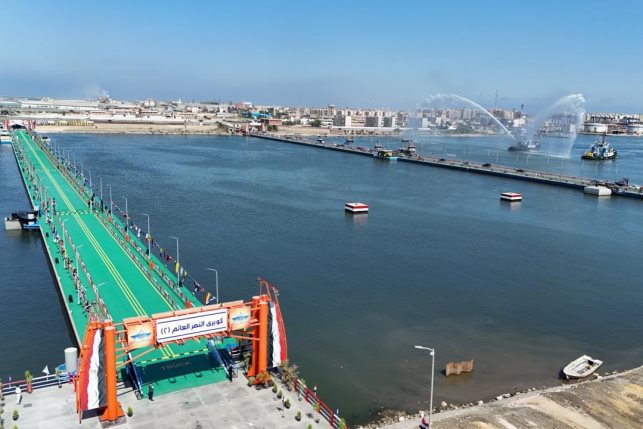
Fitch noted that regional tensions have weighed on Suez Canal revenues, which fell 59% since FY2023 to $3.6 billion in FY2025, though a gradual recovery to $5.5 billion by FY2027 is expected. Despite this, tourism revenues have remained strong, growing 16% in FY2025.
On the reform front, the agency cited moderate progress in improving the business environment and managing state-owned enterprises, but said divestment efforts have been slower than expected.
Banking Sector and Governance
Fitch described Egypt’s banking sector as resilient, with a loan-to-deposit ratio of 63% and solid capital buffers. The sector remains a key source of sovereign financing flexibility.